Stone Path Texture Background: A Designer's Asset
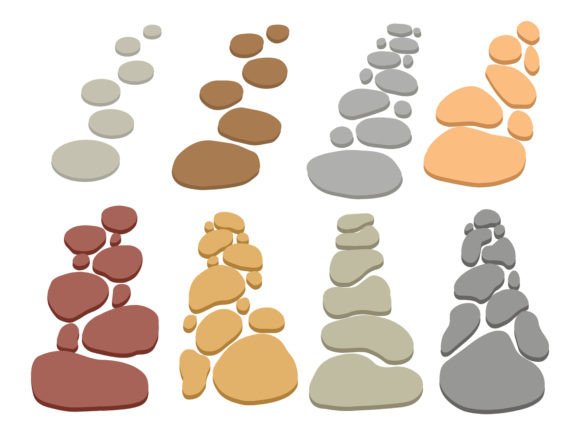
The right texture can transform a flat design into a tangible experience, and a high-quality Stone Path Texture Background is a powerful tool for achieving this effect. This versatile graphic resource offers a natural, organic feel that can ground digital and print projects, adding depth and character that resonates with audiences.
In modern graphic design, textures are essential for creating visual interest and establishing a specific mood. A stone path texture, in particular, evokes feelings of journey, stability, tradition, and nature. It serves as more than just a decorative element; it becomes a foundational layer that informs the entire visual language of a project, contributing to a cohesive and professional presentation.
Practical Applications for Creative Projects
The utility of a well-crafted Stone Path Texture Background Illustration spans numerous design disciplines. Its inherent versatility makes it a valuable addition to any designer's asset library. Consider these applications:
- Branding and Logo Design: Use the texture as a subtle background for business cards, letterheads, or within the logo mark itself to convey reliability and craftsmanship.
- Marketing Materials: Enhance brochures, flyers, and posters with a textured backdrop that adds sophistication and helps key information stand out.
- Social Media Content: Create engaging posts, story backgrounds, or profile banners that capture attention and reinforce brand identity across platforms.
- Website and UI Design: Implement the texture in hero sections, footers, or as a subtle pattern in sidebars to improve visual hierarchy and user engagement without compromising readability.
- Packaging and Merchandise: Apply the design to product labels, shopping bags, or T-shirts for a tactile, premium look that elevates the perceived value of the item.
- Editorial and Presentation Design: Use it as a chapter opener, slide background, or report cover to create a polished and authoritative aesthetic.
Integrating Texture with Other Design Elements
A successful design balances all its components. When using a stone path texture, thoughtful integration with typography, color, and composition is crucial. Ensure text placed over the texture has sufficient contrast for readability, often using solid color blocks or subtle overlays. The color palette should harmonize with the natural tones of the stone—think earthy neutrals, deep greens, or weathered blues. The texture itself should support the visual hierarchy, guiding the viewer's eye to the most important information first.
For designers, the availability of this asset in multiple file formats (SVG, JPG, PNG, EPS10) is critical. This allows for complete flexibility in the design workflow. A PNG with a transparent background is perfect for layering, while an SVG or EPS file ensures the illustration scales infinitely without losing quality, making it ideal for large-format print or detailed web graphics.
Selecting and Using Design Assets Effectively
When evaluating any creative asset, including a texture background, consider its consistency with your overall brand identity and design goals. Assess the file's resolution, scalability, and compatibility with your software. The best assets are those that save you time in your design workflow while significantly improving the final output's quality and impact.
Ultimately, investing in high-quality creative resources is an investment in effective visual communication. A thoughtful design choice, like incorporating a professional stone path texture, does more than just beautify—it builds a stronger connection with your audience, enhances user experience, and communicates your message with greater clarity and emotional resonance. This attention to detail is what separates good design from great design.
Stone Path Texture Background: Design & Application
Imagine a design that instantly feels grounded, organic, and rich with narrative. A high-quality Stone Path Texture Background achieves precisely this, offering a versatile foundation that brings depth and a sense of journey to any creative project. This graphic asset is a cornerstone for designers seeking to infuse work with natural elegance and tactile appeal.
In the realm of visual design, texture is a silent communicator. It sets a mood, defines a brand's character, and guides the viewer's eye. A stone path texture does more than fill space; it suggests history, stability, and a connection to the natural world. This makes it an invaluable tool for crafting cohesive brand identities and compelling visual stories that resonate on a deeper level.
Creative Applications Across Design Disciplines
The true power of this asset lies in its adaptability. A single Stone Path Texture Background Illustration can be deployed across a multitude of projects, ensuring visual consistency while saving valuable time in the design workflow.
- Branding & Logo Design: Use it as a subtle layer in business collateral or as a foundational element for logos targeting artisanal, outdoor, or heritage brands.
- Marketing & Social Media: Create standout graphics for campaigns, website hero sections, or Instagram stories that demand a professional, polished backdrop.
- Web & UI Design: Implement it in backgrounds, card elements, or section dividers to add sophistication without overwhelming content, enhancing the overall user experience.
- Print & Packaging: Apply the texture to shopping bags, product labels, or wedding invitations to create a memorable, high-touch unboxing experience.
- Merchandise & Decor: From T-shirt designs to wall art and pillows, the pattern translates beautifully onto physical products, offering endless possibilities for sublimation and decoration.
Integrating Texture for Maximum Impact
Successfully incorporating a texture like this requires thoughtful consideration of other design elements. Ensure your typography remains legible by using solid color overlays or choosing fonts with sufficient weight. Let the natural color palette of the stone inform your scheme—think slate grays, warm sandstones, or mossy greens for harmony. The key is to use the texture to support your visual hierarchy, not compete with it. When used as a background, it should recede enough to allow foreground content to shine.
Choosing assets in versatile formats is non-negotiable for a smooth creative process. A package including SVG, JPG, PNG, and EPS10 files provides ultimate flexibility. The scalable vector formats (SVG, EPS) ensure your design remains crisp from a business card to a billboard, while transparent PNGs are perfect for seamless layering in digital compositions.
Choosing Quality Assets for Professional Results
When selecting any design resource, evaluate its resolution, scalability, and compatibility with your existing brand systems. High-quality assets streamline your workflow and elevate the final output, directly impacting communication effectiveness and audience perception. They are a direct investment in the quality and professionalism of your work.
Thoughtful design is built on intentional choices. Selecting a premium resource like a versatile stone path texture is a strategic decision that enhances aesthetics, strengthens messaging, and creates a more engaging and memorable experience for your audience. It’s these refined details that transform good design into exceptional visual communication.