Wreath with Watercolor Leaves, Flowers: A Designer's Guide
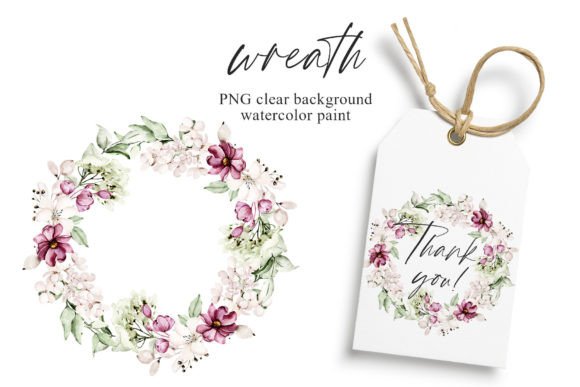
Imagine instantly elevating a simple invitation or a social media post into a piece of art that feels both personal and professionally crafted. This is the power of a beautifully executed Wreath with Watercolor Leaves, Flowers. As a versatile design asset, it merges the organic charm of hand-painted botanicals with the precision of modern graphic design, offering a solution that is both aesthetically stunning and incredibly practical for a wide range of creative projects.
In the realm of visual design, such elements are more than just decoration; they are foundational to creating effective visual communication. A well-chosen watercolor wreath acts as a dynamic frame, guiding the viewer's eye and establishing a clear visual hierarchy. Its soft edges and vibrant, blended colors introduce a sense of warmth and authenticity, which is crucial for branding and building an emotional connection with an audience. This style is particularly effective for brands aiming to convey creativity, elegance, or a natural, artisanal quality.
Practical Applications Across Design Disciplines
The utility of a high-quality watercolor floral clipart extends far beyond a single use case. Its adaptability makes it a valuable component in any designer's toolkit, enhancing projects across multiple formats. Consider its impact in the following areas:
- Brand Identity & Marketing: Use the wreath to frame logos on stationery, create cohesive brand patterns, or design eye-catching headers for websites and email newsletters. It adds a distinctive touch to marketing materials like brochures, flyers, and posters, ensuring they stand out in a crowded marketplace.
- Digital & Social Media: For social media graphics, a watercolor wreath can beautifully accent quotes, announcements, or product showcases, increasing engagement and shareability. It also enhances web design and UI design by softening digital interfaces and adding organic textures to banners and icons.
- Print & Packaging: In editorial design, it frames chapter titles or pull quotes in magazines and books. For packaging design, it can create a premium, handcrafted feel on labels, boxes, and shopping bags, directly influencing customer perception and unboxing experiences.
- Events & Personal Projects: It is ideal for print design applications such as wedding invitations, greeting cards, and baby shower announcements. The asset also supports creative projects like scrapbooking, digital planners, and presentation slide decks, adding a polished, artistic flair.
Integrating Watercolor Elements Effectively
Successfully incorporating a design asset like this requires more than just placing it on a canvas. To maximize its impact, consider these practical tips for your design workflow:
- Ensure Consistency: The asset should complement your existing color palette and typography. Adjust its hues or saturation if necessary to maintain brand consistency across all touchpoints.
- Maintain Readability: Use the wreath as a frame or background element, but ensure there is sufficient contrast for overlaid text. A subtle drop shadow or a semi-transparent overlay can help maintain visual hierarchy and legibility.
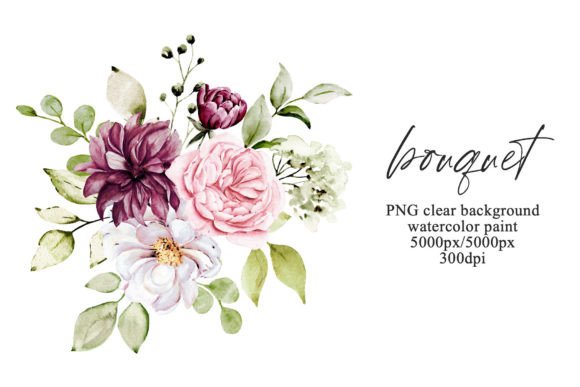
- Consider Scalability: A high-resolution file, such as a 5000px x 5000px PNG at 300dpi, is essential for both large-format print and detailed digital work. This ensures the asset remains crisp and professional at any scale, from a small icon to a full-page poster.
- Respect Audience Expectations: Align the style of the wreath with your project's tone. A bright, vibrant wreath suits celebratory themes like birthdays and baby showers, while a more muted palette may be better for elegant or corporate contexts.
Ultimately, the strategic use of high-quality creative assets like a watercolor floral wreath is a hallmark of thoughtful graphic design. It demonstrates an understanding of how imagery, color, and composition work together to strengthen brand identity, improve user experience, and communicate a message with clarity and beauty. By selecting assets that are both visually compelling and functionally versatile, designers and creators can efficiently produce work that resonates deeply and achieves its intended purpose, proving that great design is always a balance of art and strategy.